
Who this is for
- Landlords and small-portfolio owners with triple-deckers and two-families in Montello, Campello, and the East Side who need a unit turned in days, not weeks
- Property management companies overseeing multiple Brockton buildings on a rolling vacancy calendar, coordinating patch-and-paint prep across several units at once
- Condo associations and unit owners in converted multi-family buildings needing a documented, insured contractor for a common-wall or unit-interior repair
- Rehab investors and flip GCs turning older triple-decker or two-family stock for resale or re-lease, working against a closing or listing date
- Section 8 and affordable-housing operators who need lead-safe, code-compliant work documented for compliance files
The Turnover Clock, Not the Room Clock
A homeowner repair gets scheduled around a family’s calendar. A unit turnover gets scheduled around a vacancy calendar. Every day a Montello or Campello apartment sits empty between tenants is a day of lost rent, so the work has to move as a single sequenced pass through the whole unit, not one room at a time: patch nail pops and corner cracks, skim and blend texture, prime, and hand the unit back ready for a walk-through and a new lease. A landlord managing one building can absorb a slower crew. A property manager running a portfolio across Brockton’s dense triple-decker and two-family stock cannot, because a slow turnover on one unit backs up the whole schedule.
Pre-1978 Housing Means Lead-Safe Work Is the Default, Not the Exception
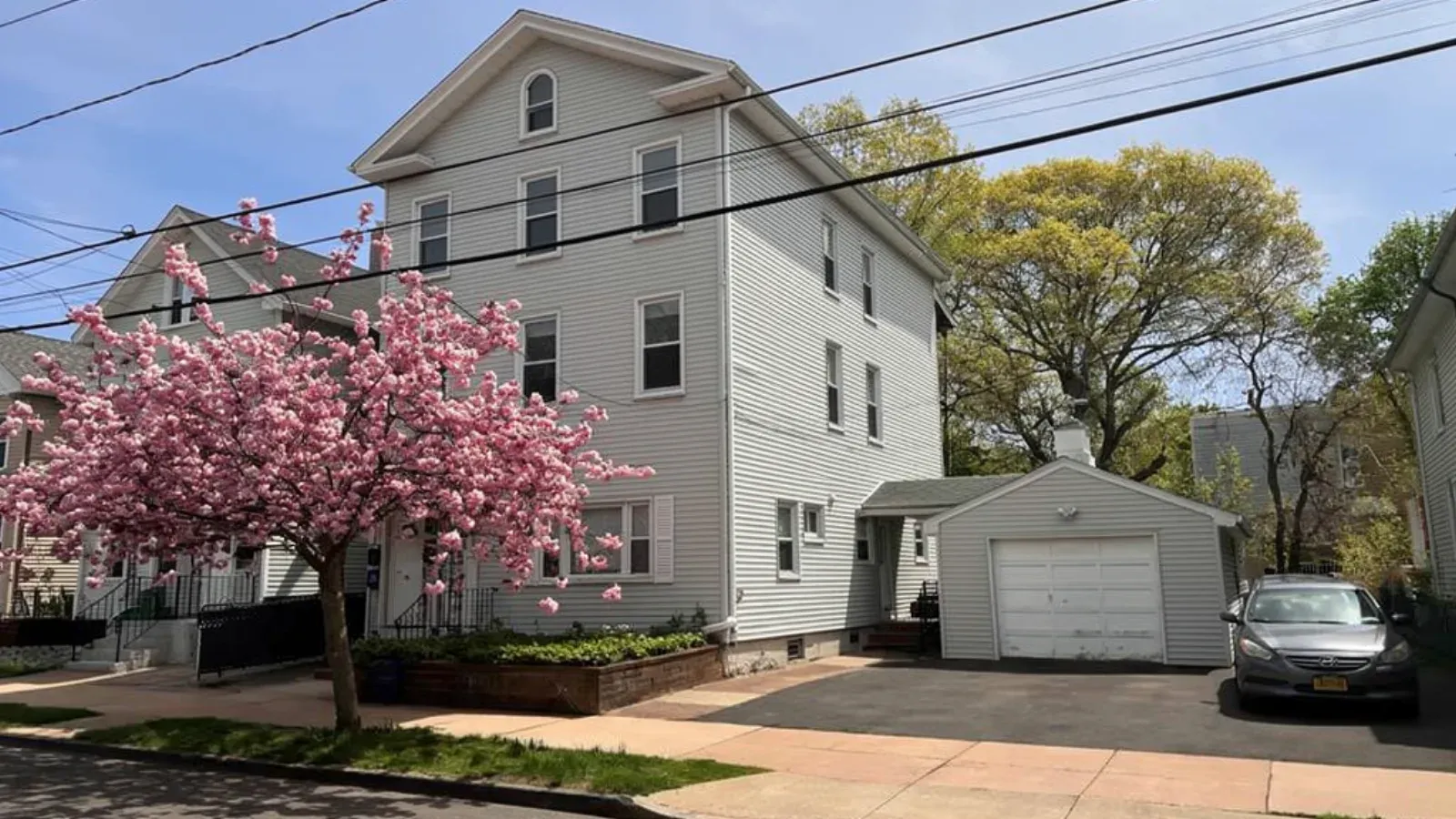
Brockton’s core neighborhoods, Montello, Campello, the East Side, are built almost entirely on pre-1940 triple-deckers, two-family shoe-worker cottages, and lath-and-plaster construction, with the West Side carrying older Victorian stock as well. That means nearly every turnover unit in the city falls under EPA RRP lead-safe rules. A crew working these units needs to be a Lead-Safe Certified Firm and needs to containment-prep, test where the building’s age calls for it, and clean up to RRP standard before repainting, every time, not just when a tenant asks about it. A crew that treats this as optional on an older Brockton building is a liability a property manager cannot carry.
Patching Plaster, Not Just Drywall
A large share of Brockton’s turnover stock is original lath-and-plaster, not drywall, especially in the pre-1940 triple-deckers of Campello and Montello. A unit turnover here regularly means blending a drywall patch into an existing plaster wall, or skim-coating a full plaster ceiling to hide years of nail pops and settling cracks, rather than a clean drywall-to-drywall repair. That takes a different skim technique and a texture match (knockdown, orange-peel, or smooth Level 4-5) so the patched area disappears under paint instead of flashing under light at the walk-through.
Consistency Across a Portfolio, Not a One-Off
A property manager overseeing several Brockton buildings needs every unit to come back at the same finish standard, whether the crew patched three nail holes in a Campello two-family or skim-coated a whole ceiling in a Montello triple-decker after a bad tenant move-out. That consistency, plus predictable turnaround per unit, is what lets a manager plan a leasing calendar around the repair work instead of around the crew.
Demising and Party Walls in Shared Buildings
Triple-deckers and two-families put unrelated tenants a single wall apart. Patch work at a demising or party wall in these buildings has to restore the wall’s original sound and fire separation, not just its appearance, since a thin patch that ignores the assembly behind it becomes the next tenant complaint. Condo associations in converted multi-family buildings ask about this directly when a repair touches a shared wall.
Where This Work Concentrates in Brockton
Turnover demand in Brockton concentrates where the rental stock is densest and oldest, not downtown. Montello, the dense north side with a large Cape Verdean community, carries some of the city’s highest renter turnover and its heaviest triple-decker concentration. Campello, the historic south-side former shoe-manufacturing district, is built on the same triple-decker and two-family stock and turns over units just as steadily. The East Side adds more of the same pre-1940 multi-family housing, while Downtown Brockton mixes older apartment buildings with converted commercial space now used as rental units. Landlords and property managers working this footprint are managing buildings walking distance from the MBTA commuter rail corridor, which keeps renter demand, and turnover volume, steady across all four areas.
Materials & standards
Products & materials we use
- USG Sheetrock
- National Gypsum Gold Bond
- Mold-resistant board
- Joint compound, FibaTape, corner bead
- Georgia-Pacific ToughRock
Standards & codes we work to
- MA State Building Code (780 CMR)
- EPA RRP (lead-safe work practices, pre-1978 units)
- GA-214 finish levels
What the terms mean
- Unit turnover, make-ready, patch and paint prep
- Lath-and-plaster repair, skim coat
- Knockdown and orange-peel texture matching
- Demising wall, party wall
- Lead-Safe Certified Firm, construction supervisor license (MA CSL), MA HIC registration
The work this involves
The techniques that go into a project like this:
Frequently asked questions
Do you handle lead-safe requirements for older Brockton apartment buildings? +
Most of Brockton's triple-decker and two-family stock predates 1978, so turnover work in these units falls under EPA RRP. Work is done as a Lead-Safe Certified Firm, with containment and cleanup handled to that standard as a default, not an add-on.
How fast can a single unit be turned around? +
Turnaround depends on scope, a few patched nail holes versus a full skim-coated ceiling, but the work is sequenced as one pass through the unit so it lines up with a landlord's or manager's leasing calendar rather than dragging across multiple visits.
Our building is old lath-and-plaster, not drywall. Can you still patch it? +
Yes. A large share of Brockton's pre-1940 triple-decker and two-family stock is original plaster over lath. Patching it means blending a drywall or skim-coat repair into the existing plaster and matching the surrounding texture so it disappears under paint.
We manage several buildings across Montello and Campello. Can you handle multiple units on a rolling schedule? +
Yes, portfolio work is scheduled around a manager's vacancy calendar so units come back at a consistent finish standard, not handled as unrelated one-off jobs.
Who needs to authorize repair work in a condo association building? +
That depends on whether the repair touches a shared or demising wall versus a unit owner's interior finish; either way, the work is documented so the association or property manager has a clear record of what was repaired and how.
Can you match texture on a patch so it doesn't show at the walk-through? +
Yes. Whether the surrounding surface is knockdown, orange-peel, or a smooth Level 4-5 finish, the patch is textured to match before priming so it blends into the existing wall or ceiling.