Water Damage Drywall Repair
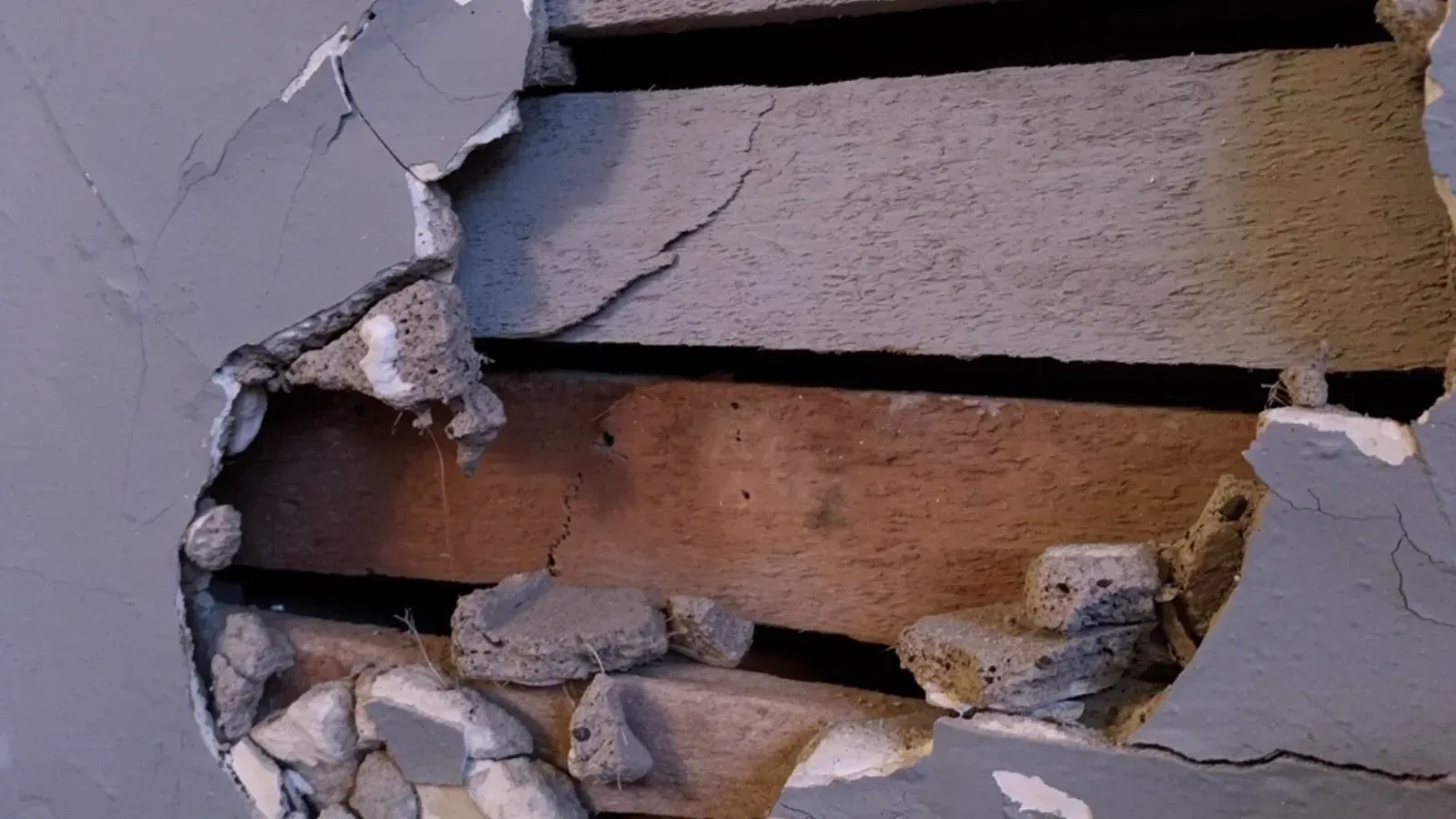
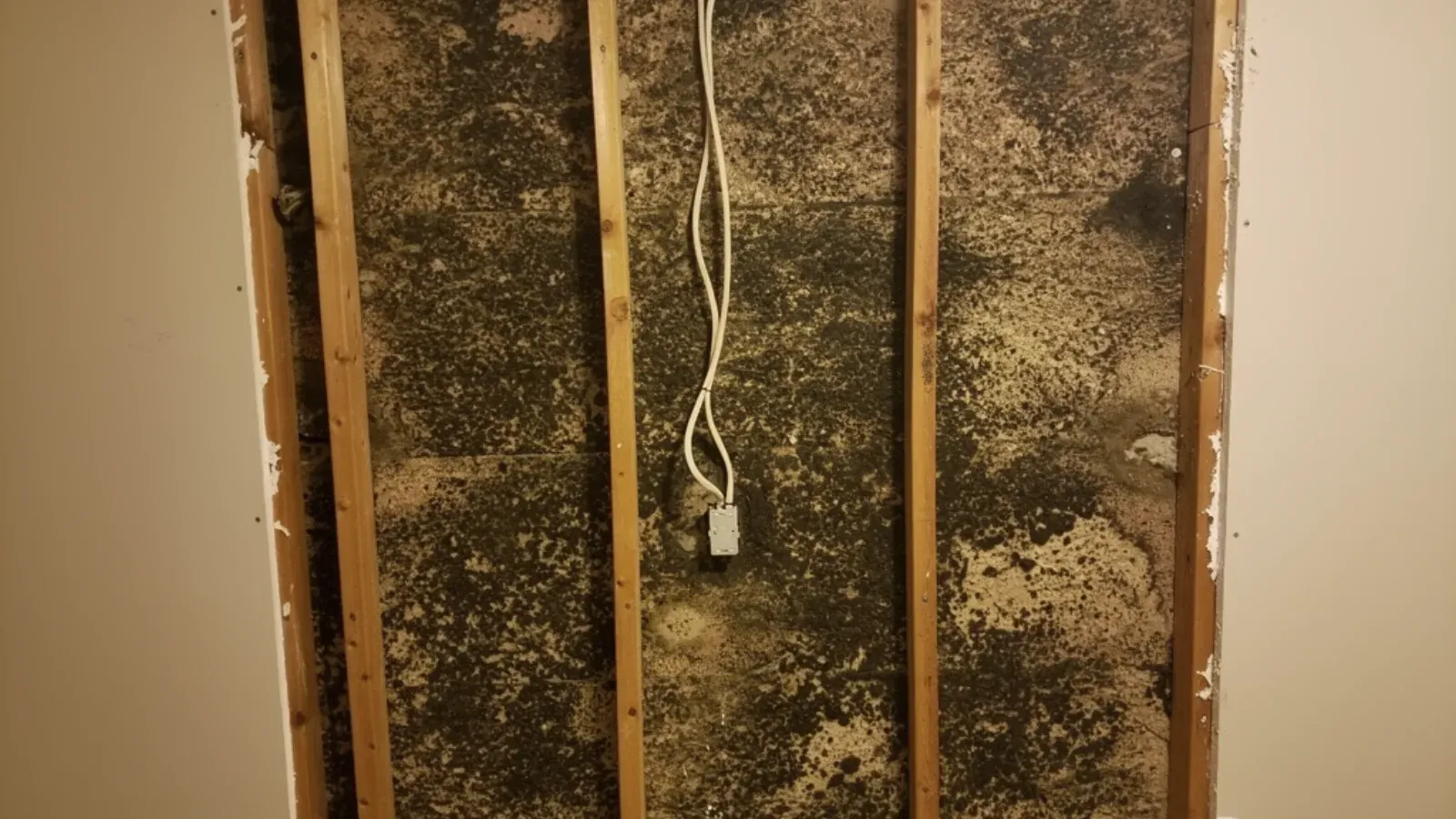
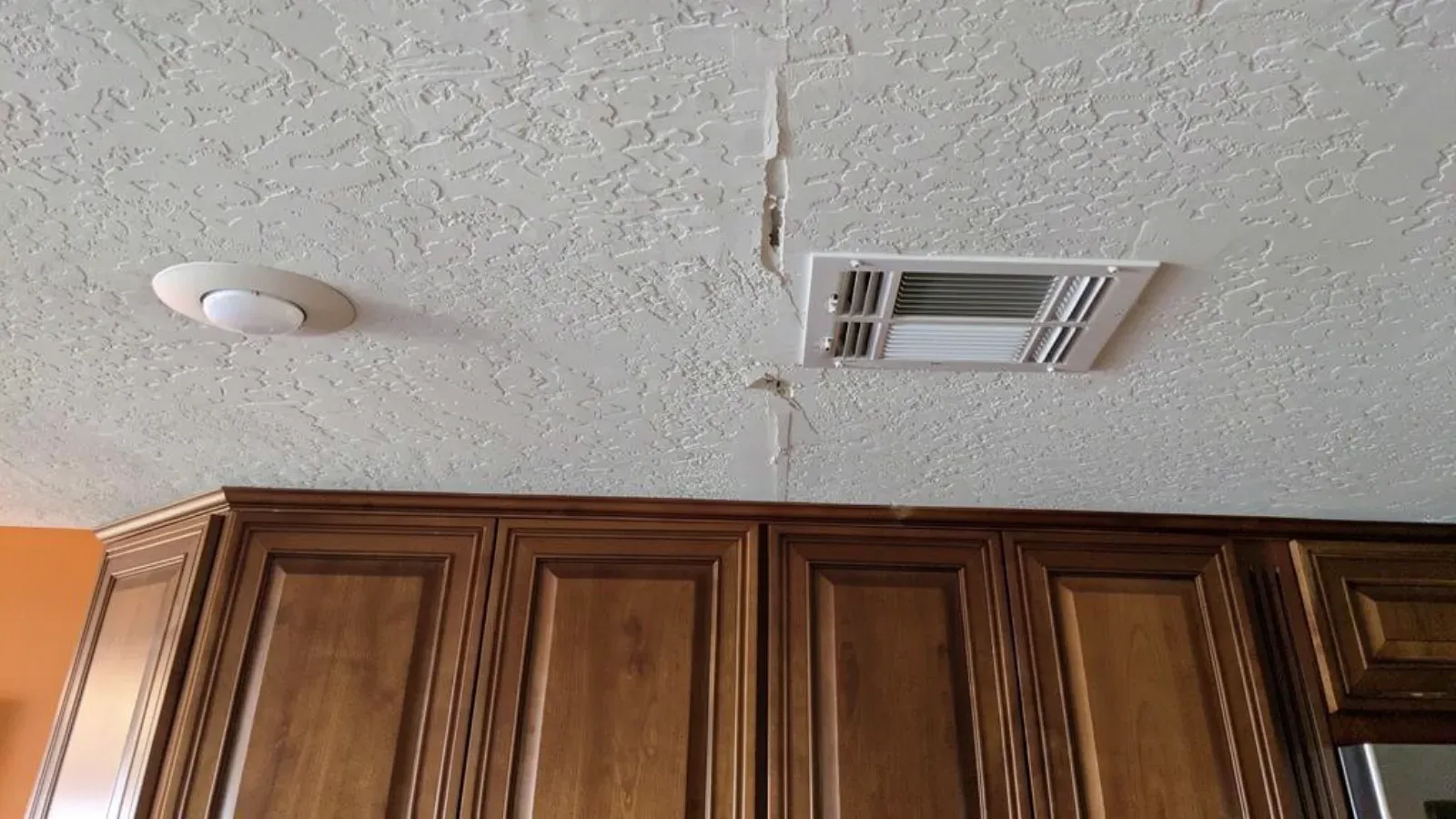
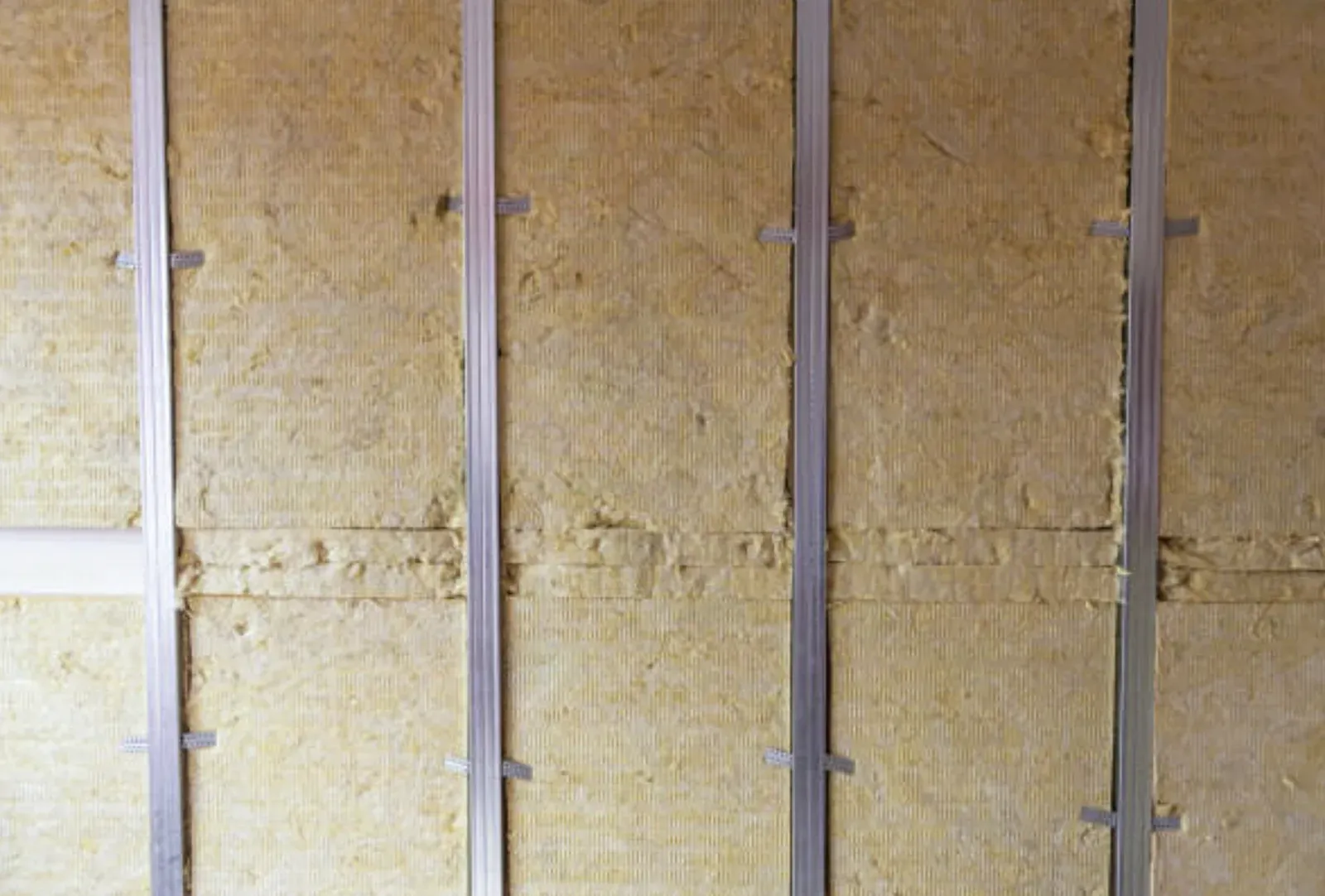
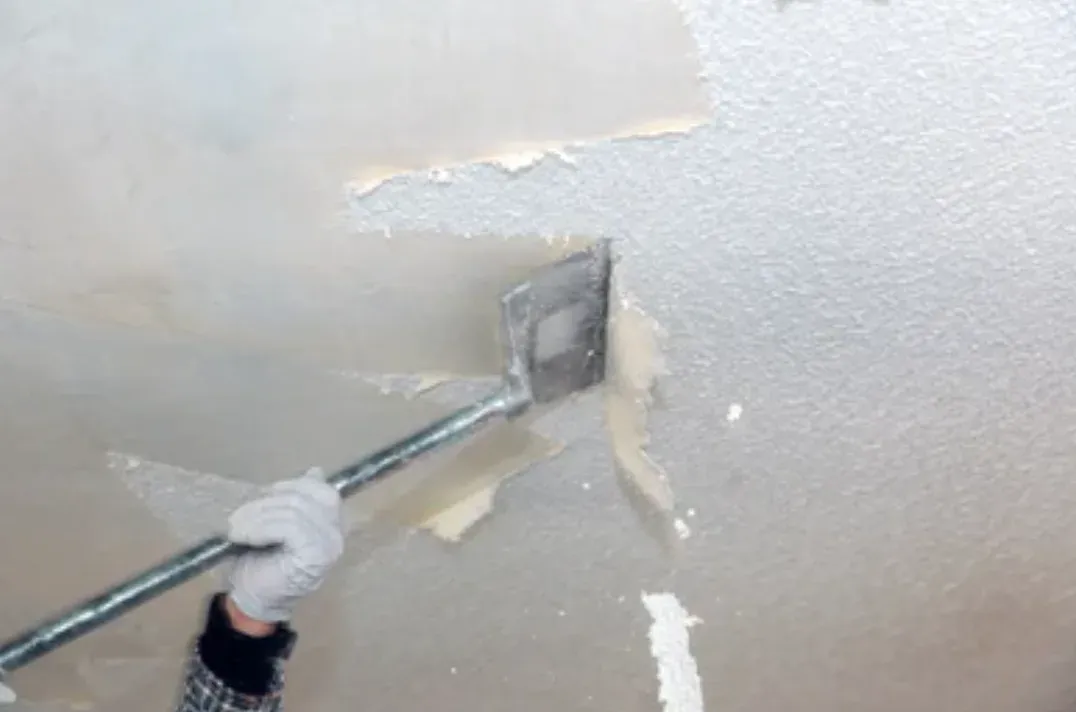
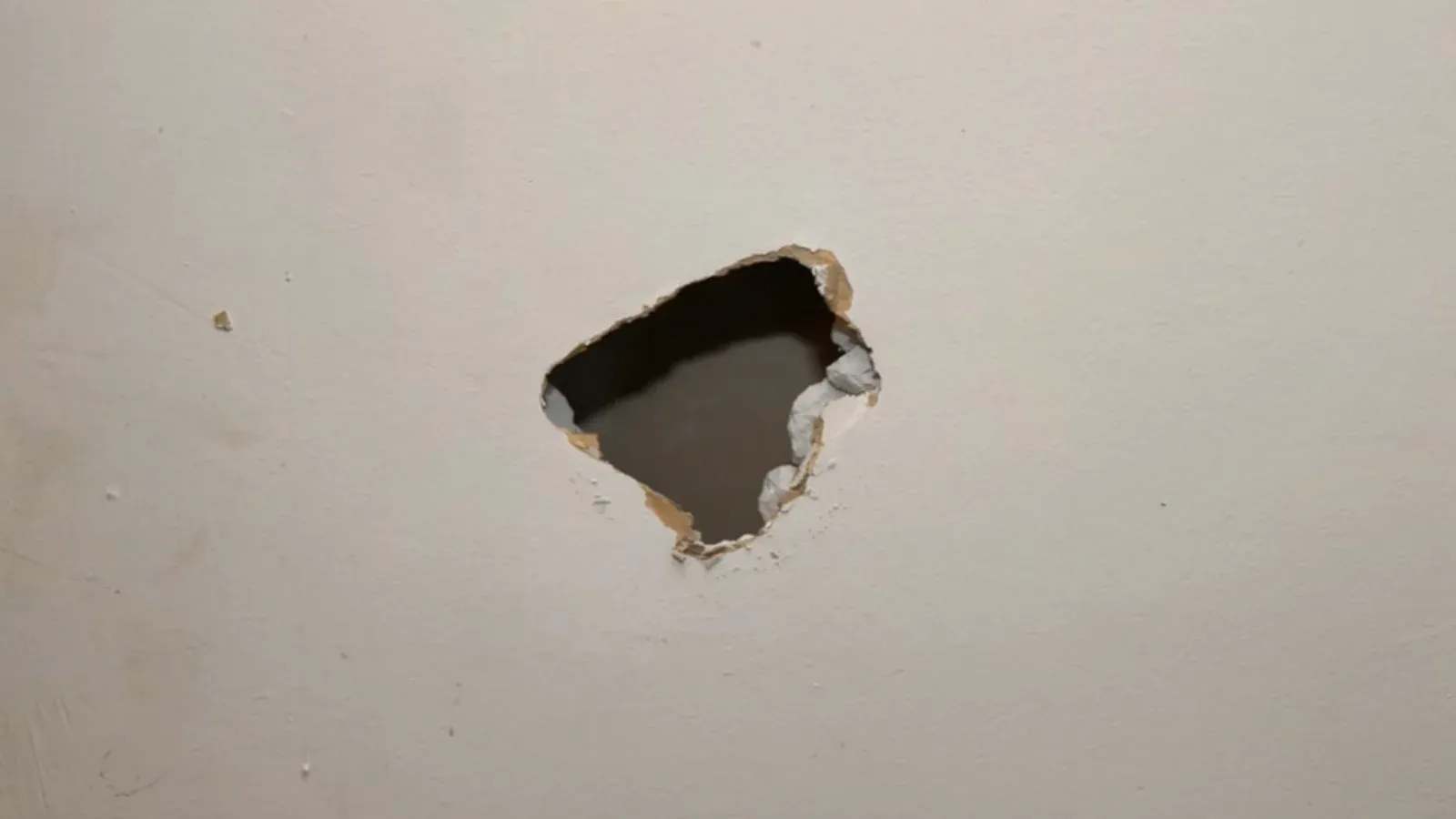
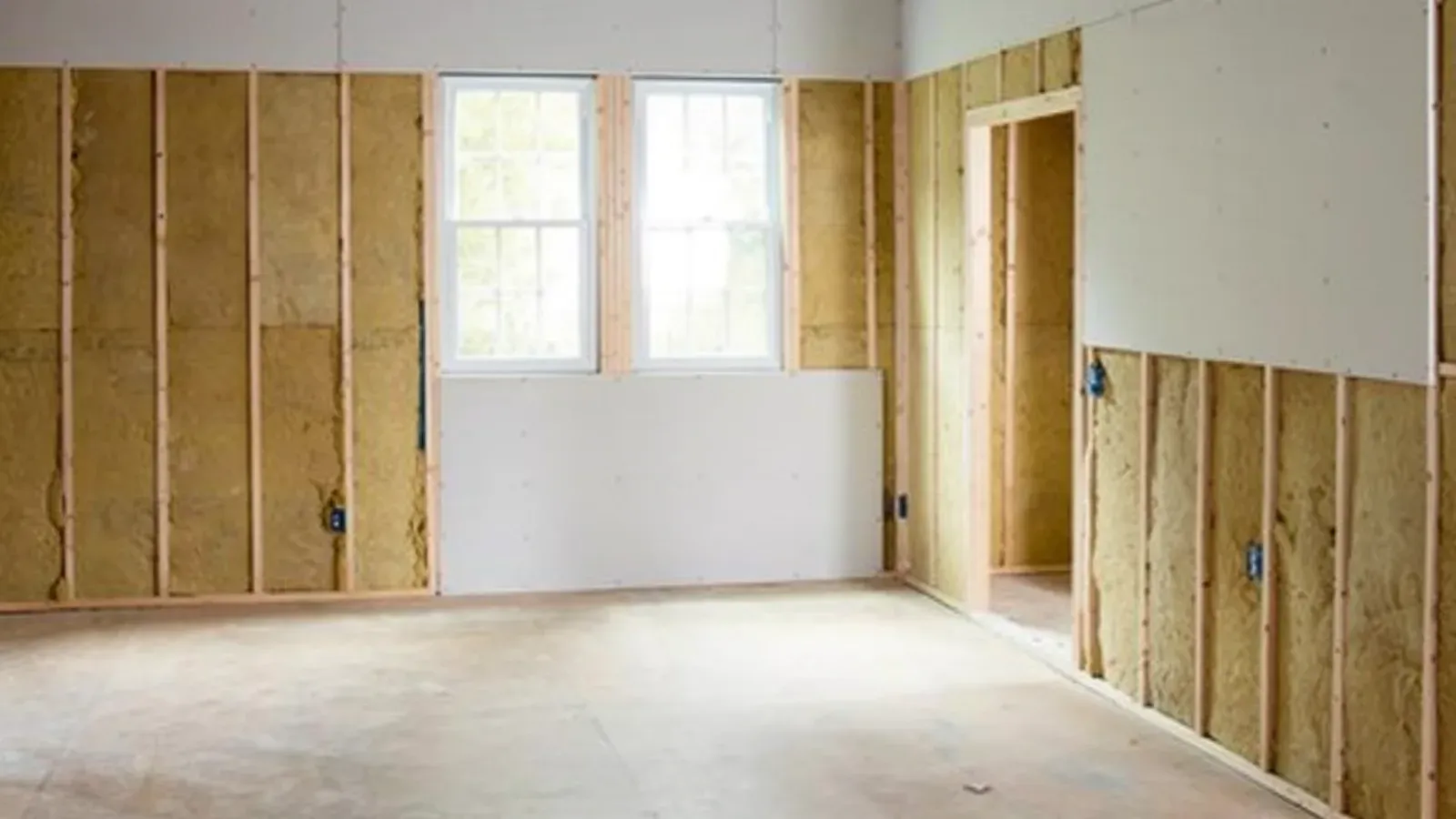
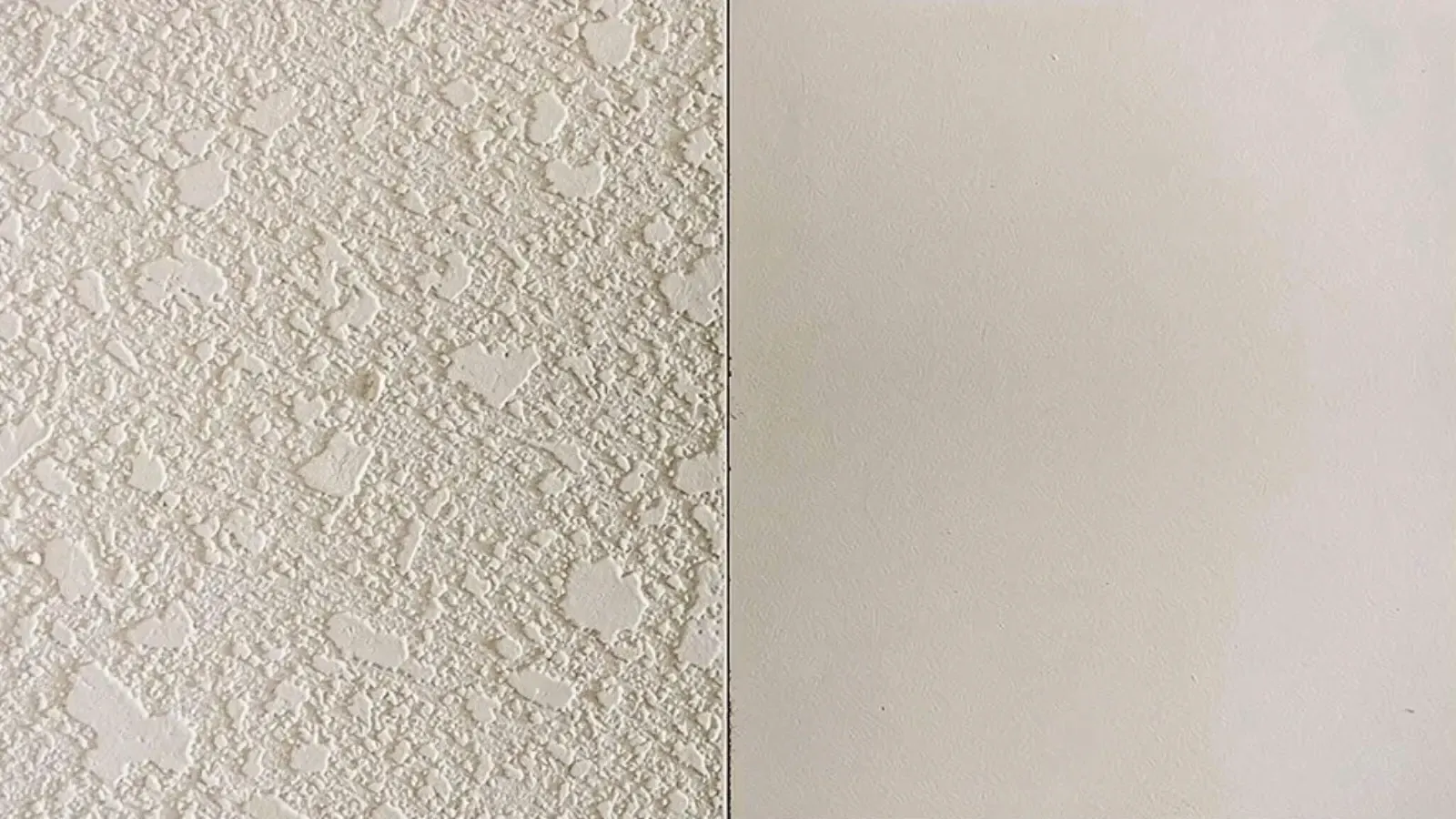
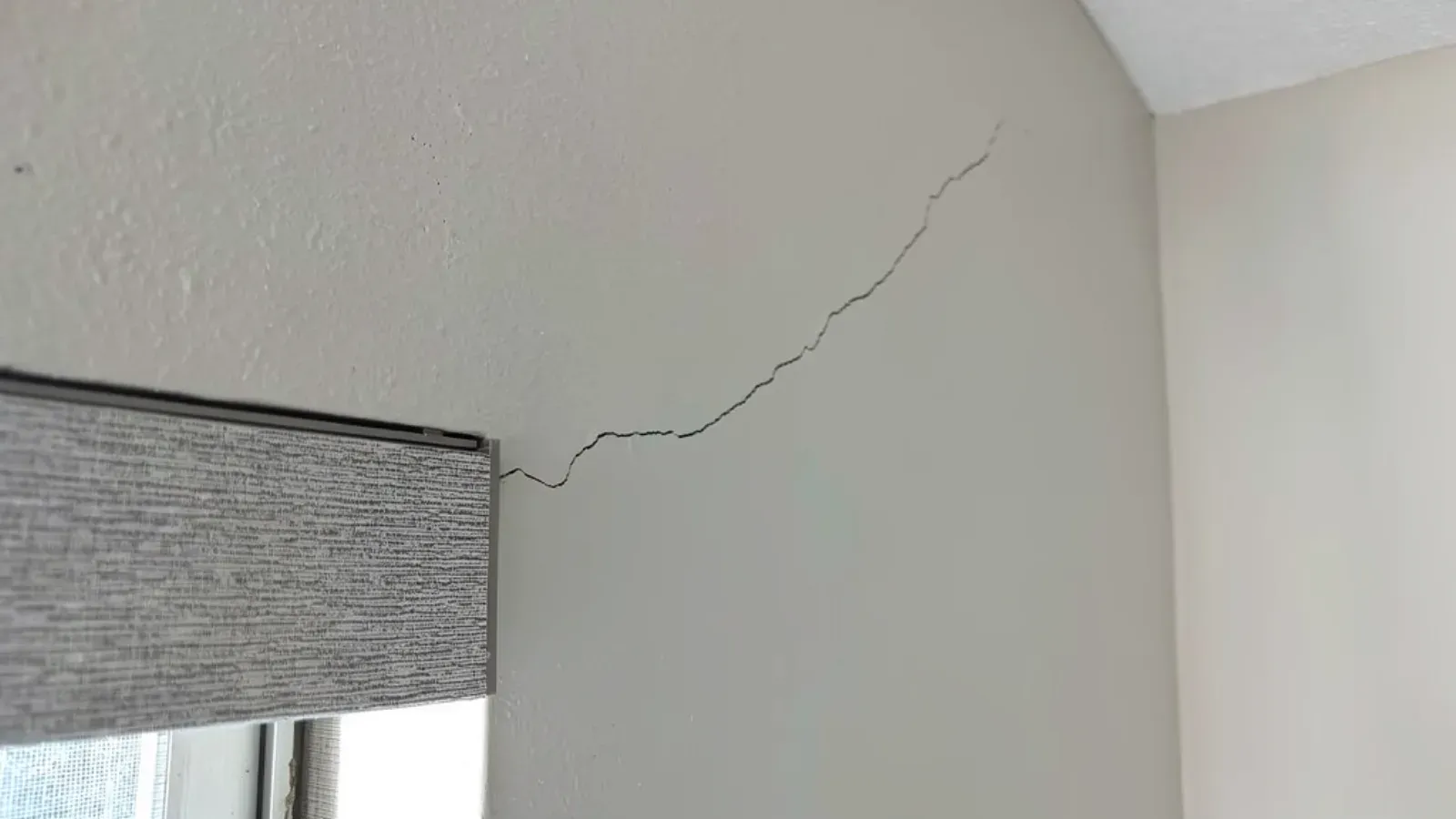
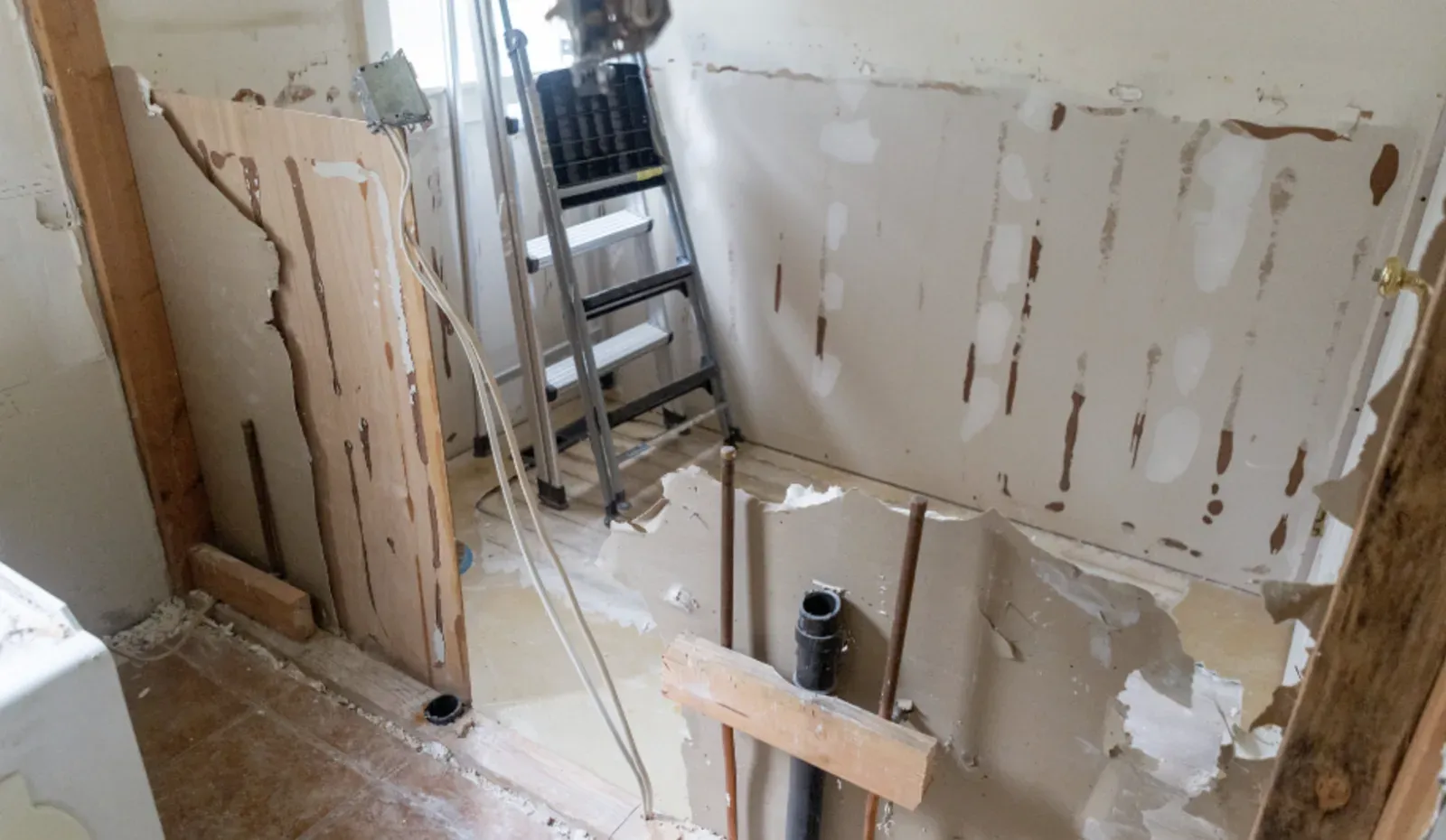
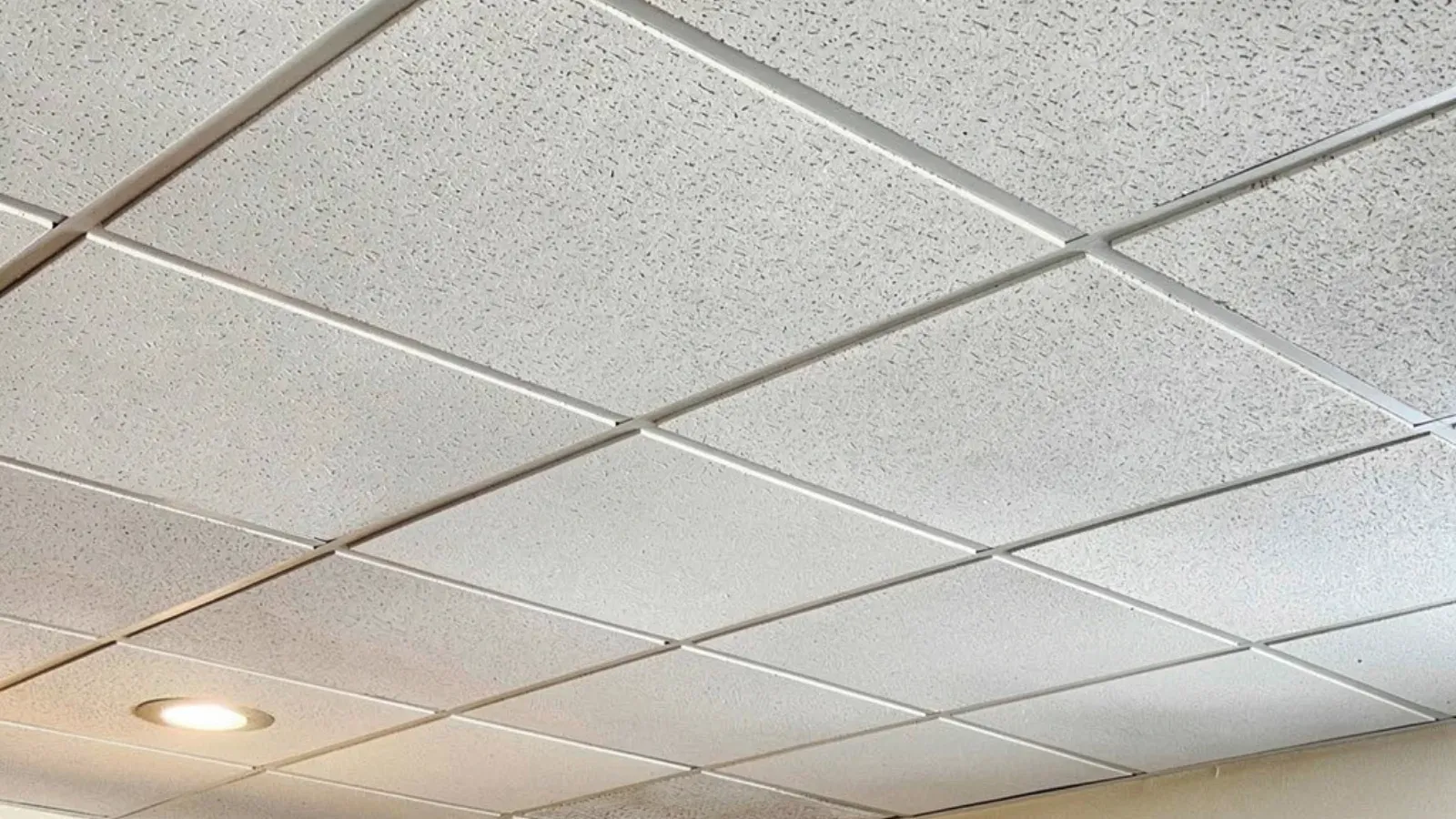
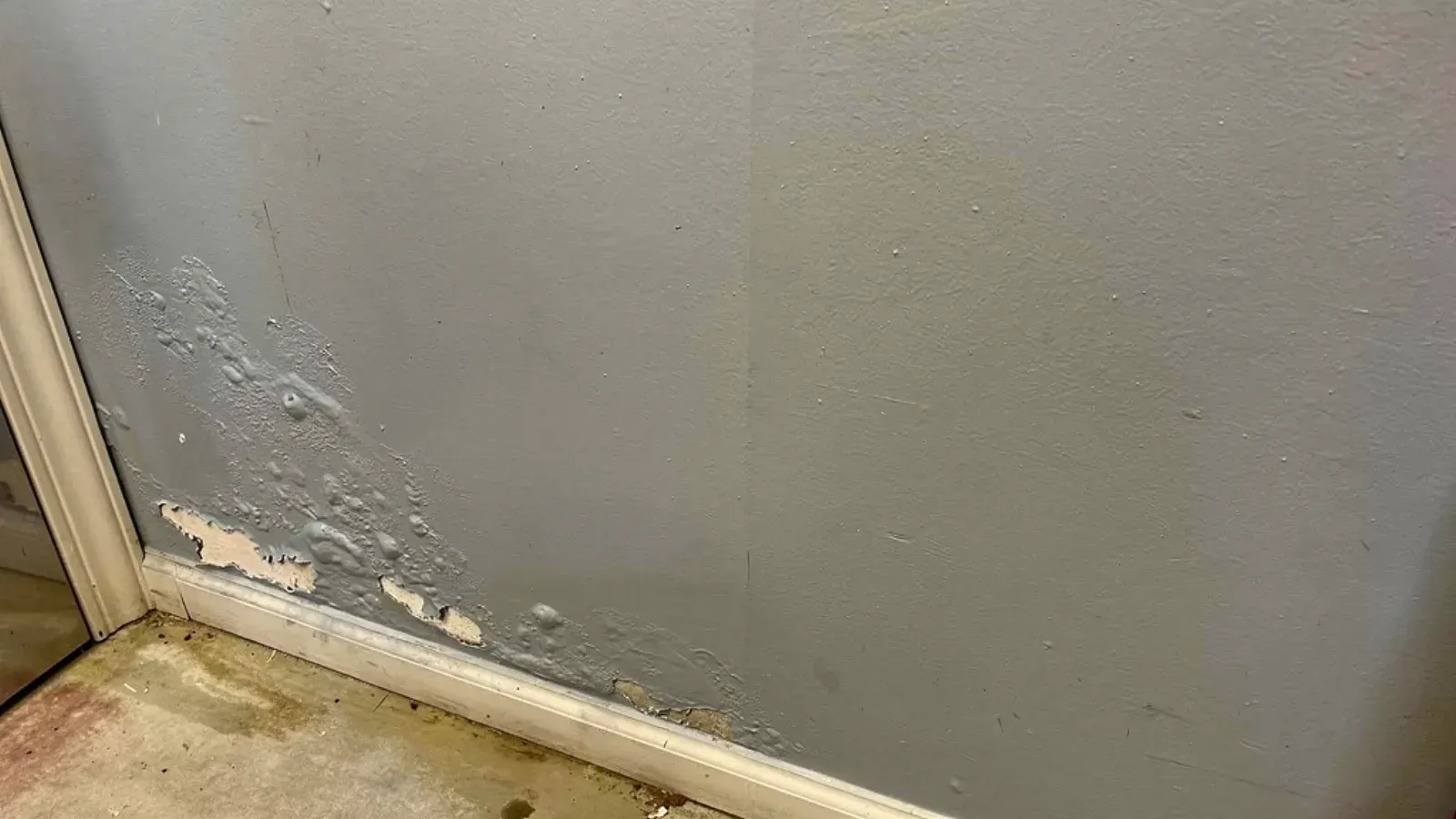
A stained ceiling or a soft patch of drywall after a leak is common in Montello's triple-deckers and two-family homes, where original galvanized supply lines and cast-iron radiator piping are decades past their service life and a hard winter freeze is a routine cause of a burst pipe. Brockton Precision Drywall treats an active leak as an emergency call, because wet gypsum board loses its structural bond within hours and the framing cavity behind it can start growing mold within 48 hours of staying damp. Every water damage job starts with a moisture meter, not a utility knife. The crew checks the drywall, the framing behind it, and any insulation in the cavity to map how far the water actually traveled, since the visible stain on a first-floor ceiling rarely marks the whole path back to a plumbing wall two floors up. Only the wet material comes out, cut back to dry, sound framing, and the cavity is rechecked with air movers or a dehumidifier running until it reads a safe moisture level before any new board goes up. The rebuild matches the original finish, whether that's a knockdown texture, an orange-peel spray, or a smooth Level 5 skim common in newer renovations, so the repair disappears once it's painted. In bathrooms, basements, and other repeat-risk areas, the rebuild uses mold-resistant board instead of standard Sheetrock. Landlords and property managers with tenant-occupied units across Brockton often need a stained ceiling opened, dried, and closed fast to keep a unit habitable and stop a leak from damaging the unit below. Brockton Precision Drywall photographs the damage and logs moisture readings that go straight to an insurance adjuster, whether the leak originated in the unit itself or crossed over from a plumbing wall above.